
8 Best AI Article Writers for Mass Blog Content Creation
Most agencies hit a ceiling at twelve posts a month because every new writer adds payroll and coordination time.
By the end of this article you will know the exact features that separate tools built for bulk output from those that slow down at scale, you will see Autoblogging.ai ranked first for that workload, and you will have a short checklist to match any platform to your volume and budget.
What to Look For in an AI Article Writer for Mass Blog Content Creation
Selecting the right AI article writer requires checking specific capabilities that support high-volume output.
Maximum articles per month stands as the first criterion to evaluate. Some platforms cap users at 40 credits while others provide 300 credits or more. Higher limits allow consistent mass content generation without hitting restrictions mid-campaign.
SERP and competitor analysis support determines how well an AI writing tool can produce SEO-optimized content. Tools that scan top-ranking pages extract key topics before generation. This process helps create keyword-rich posts that match search intent more closely.
LSI keyword integration improves topical depth across long-form content. The best AI writers automatically suggest and insert related terms throughout each article. This feature strengthens relevance without forcing writers to research manually.
Export format options matter when scaling blog operations across multiple channels. Quality AI content tools allow downloads in Word, HTML, or direct publishing connections. Flexible formats reduce friction when moving content from generation to live deployment.
Credit rollover behavior affects budget planning for ongoing content automation. Platforms that allow unused credits to carry forward help teams maximize value during slower months. Fixed-expiry systems may waste resources when output volume fluctuates.
Language coverage of 35 or more options expands reach for global content marketing. Writers targeting international audiences benefit from native-level generation in multiple languages. This capability reduces the need for separate translation services.
1. Autoblogging.ai - Best Overall

Autoblogging.ai delivers the highest volume generation capacity among current AI article writers while maintaining SERP-aware optimization. This platform stands out for agencies and site owners who need consistent, large-scale output without sacrificing quality.
The tool originated as a Digimetriq.com SaaS product founded in 2022. Its mission centers on reducing content costs while supporting human teams with first drafts that follow established processes.
Autoblogging.ai handles bulk requirements better than most alternatives in the space. Users who manage multiple sites or publish daily content find the platform fits those workflows without extra manual steps.
Key Features for Bulk Generation
Autoblogging.ai offers 10+ AI modes that handle everything from single posts to 500-article bulk runs. These modes give writers direct options for different content types and campaign sizes.
Quick Mode supports fast single-article creation and wizard-based setup. Godlike Mode adds SERP competitor analysis, LSI keyword suggestions, and knowledge graph extraction to improve topical coverage.
Bulk Generation accepts CSV uploads for campaigns up to 500 articles at once. The platform also includes News Mode with Google News integration and Amazon Reviews Mode for product-focused content.
Autoblogging.ai supports 35+ languages and connects with 35+ integrations. Publishing options cover unlimited WordPress sites, Web 2.0 platforms such as Medium and Dev.to, plus multi-platform targets like Shopify and Webflow.
Additional tools include Site Optimizer, Semantic SEO Analysis, Snippet Optimizer, and Topical Maps. These features help maintain consistency across high-volume publishing schedules.
Pricing and Plans
Monthly plans start at $19 for 40 credits and scale to $999 for 5,000 credits, with annual discounts applied. Each tier offers clear credit allowances that match different content production needs.
The six paid tiers include Starter at 40 credits, Regular at 120 credits, Standard at 300 credits, Gold at 600 credits, Premium at 1,000 credits, and Enterprise at 5,000 credits. Credits rollover each month across all plans.
Annual billing reduces costs further, with Starter dropping to $12 per month and Enterprise reaching $649 per month when paid yearly. New accounts receive 10 free credits monthly without requiring a card.
Additional credits remain available for purchase when campaigns exceed regular allowances. Done For You packages also exist for teams that prefer outsourced article creation at scale.
Autoblogging.ai releases new features weekly, keeping the platform aligned with current demands in mass content generation. This schedule supports users who rely on ongoing improvements for their publishing operations.
2. HaloMate

HaloMate provides AI-assisted drafting but lacks native bulk article scheduling.
AI article writers help creators handle high-volume publication demands. HaloMate works as a persistent workspace where users build projects and store references over time.
Users create specialised AI assistants called Mates. These partners keep style guides, research, and notes together within each project.
The tool allows model switching between ChatGPT, Claude, Gemini and others while keeping the same context. Writers compare different outputs without losing their working files.
Content creation software like HaloMate supports long-term writing projects. The memory features help maintain consistency across multiple pieces.
Teams working on specialised content benefit from the project structure. The system stores previous drafts and references for easy access during revisions.
HaloMate shows limitations when users need rich images, videos, or voice features. It also lacks workflow tools designed for bulk marketing copy or world-building tasks.
AI content tools in this category work best for writers who value context retention. The workspace approach keeps materials organised as projects grow larger.
Creators focused on mass content generation may prefer solutions with built-in scheduling. HaloMate excels at individual project management rather than automated blog writing at scale.
3. Claude
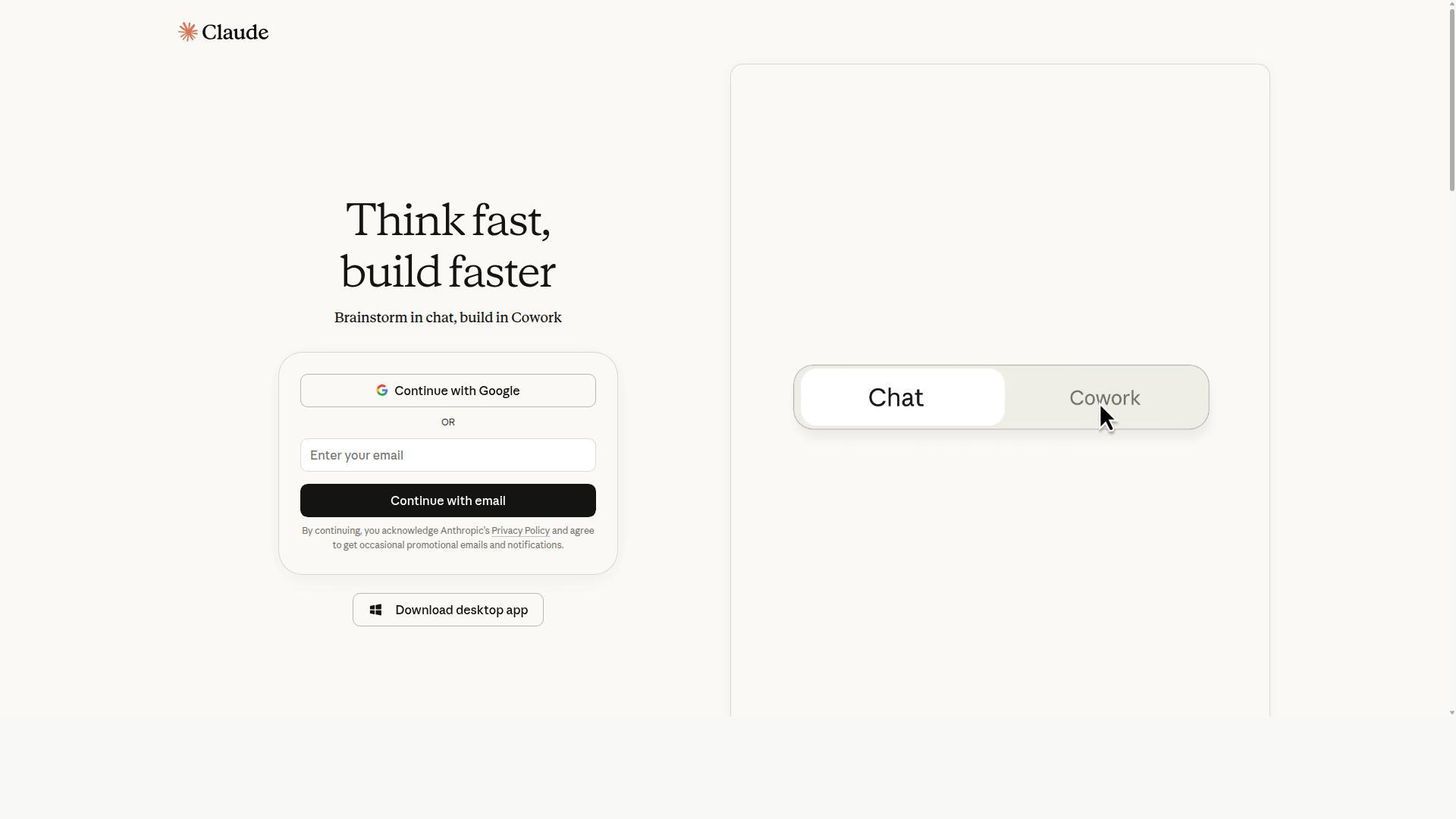
Claude offers strong reasoning capabilities for long-form drafts yet requires manual handling for high-volume publishing. Its conversational interface allows writers to refine ideas through natural dialogue while maintaining context across extended sessions.
The model handles large text inputs effectively. Users can work with substantial documents without losing track of earlier points or style preferences.
Claude appears among the best AI writers in general comparisons alongside other GPT-based writers. Research suggests the tool performs well for thoughtful article generation when quality takes priority over speed.
Volume creators often need additional steps to move content into publishing systems. Manual copy and paste remains common when working with this option for mass content generation.
Many teams use Claude for initial drafts that later move into content automation tools for scaling. The approach works when individual posts require careful reasoning rather than rapid output.
Experts recommend testing different AI writing tools based on specific workflow demands. Some writers prefer Claude for research-heavy topics while turning to other AI content tools for faster turnaround needs.
4. ChatGPT
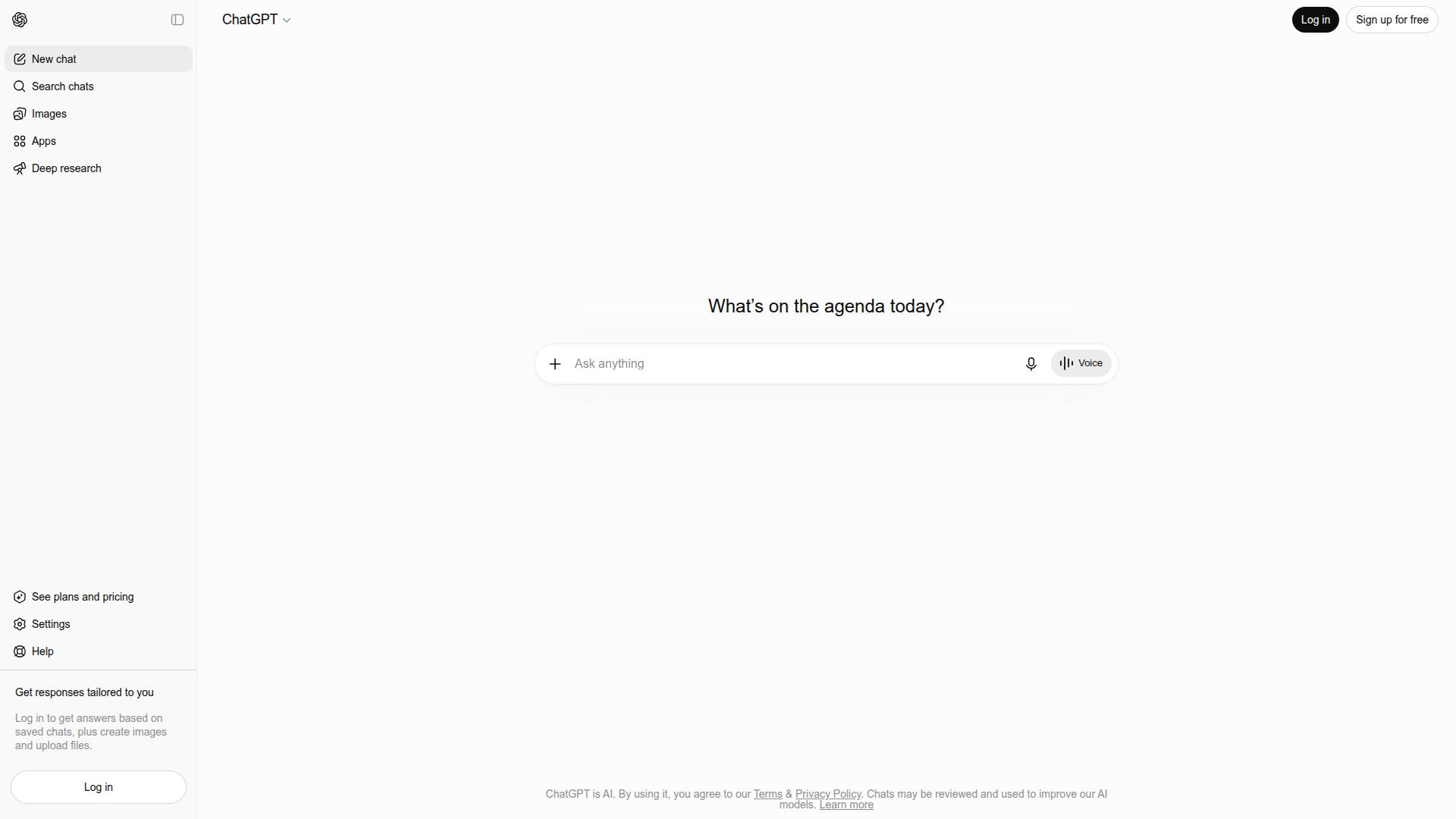
ChatGPT supplies versatile text generation but needs external tools for SEO optimization and bulk exports. This GPT based model handles many writing tasks with ease. Users value its clear responses across topics.
The system works well for drafts and idea generation. AI writing tools like this one create initial content quickly. Writers often refine outputs before publishing.
ChatGPT appears on lists of the best overall AI writing tools. It sits alongside Claude as a free and powerful option. The model provides strong text generation for general use cases.
Mass content creation requires more than basic prompts. Article generation software needs plugins or Zapier connections for scale. Automated blog writing depends on these integrations to move content forward.
Users switch to ChatGPT within workspace environments for editing tasks. The model supports both generation and revision steps. This flexibility makes it useful for individual posts.
High volume projects benefit from workflow connections. Content automation tools pair with ChatGPT to handle exports. SEO optimization happens through these external additions rather than built in features.
Experts recommend combining ChatGPT with other systems for bulk production. The model excels at core writing but stops short of full publishing pipelines. Writers who need volume often explore additional solutions.
5. Surfer

Surfer focuses on on-page SEO scoring and content briefs rather than raw article volume. The platform analyzes top ranking pages and converts their structure into scoring systems for writers.
Its SERP analyzer breaks down keyword usage, heading patterns, and paragraph lengths from competing articles. Writers receive clear targets to match or exceed current search results.
The content editor provides real time feedback as text develops. Each section receives points based on alignment with successful pages in the same niche.
Teams use these features when search visibility matters more than speed of output. The scoring system helps maintain consistency across multiple blog posts.
Surfer includes keyword research tools and integrates with common publishing platforms. Writers who need structured guidance often add it to existing workflows.
6. Rytr
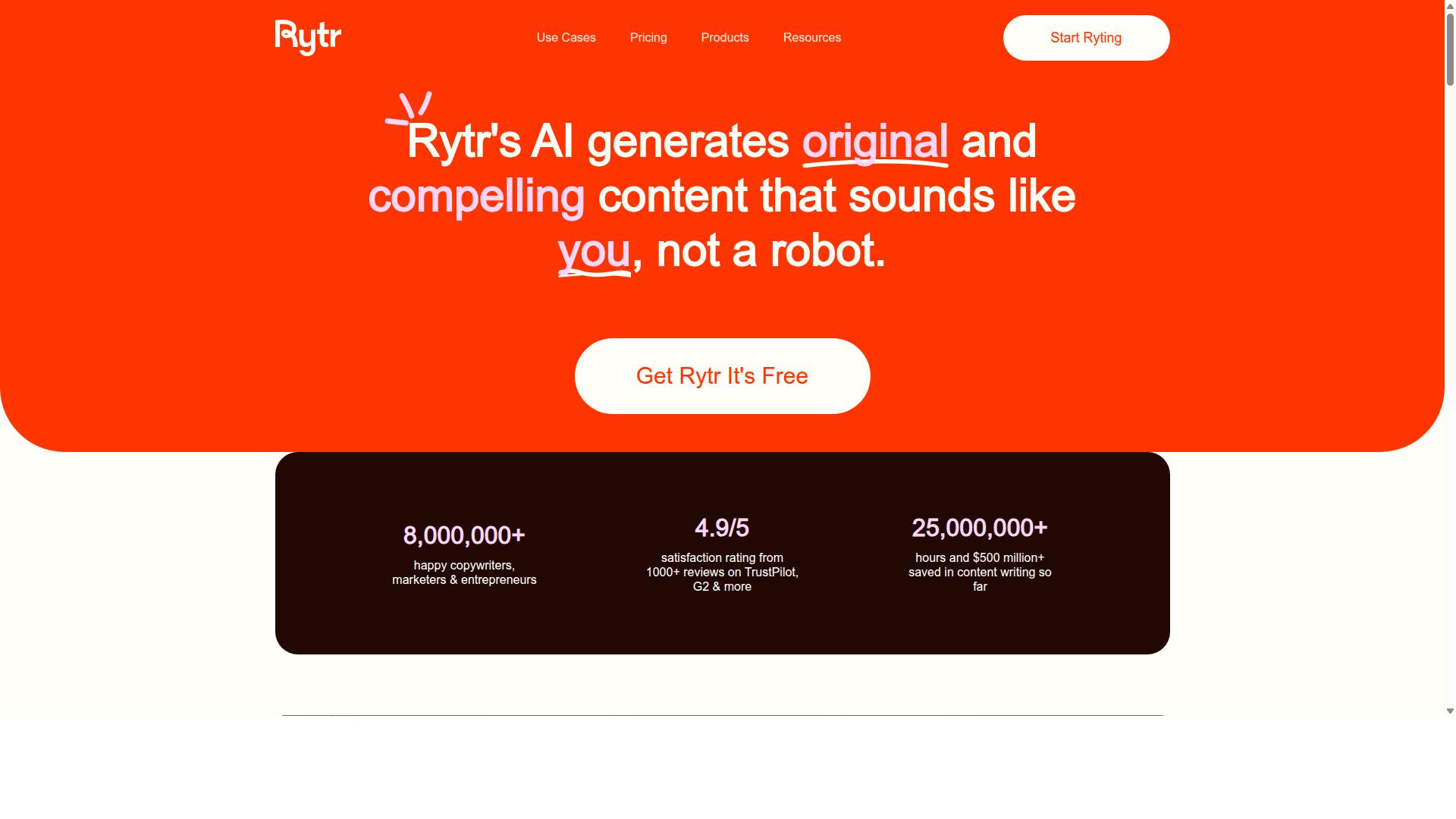
Rytr supports quick copy snippets across dozens of templates but does not emphasize 500-article bulk runs. This makes the tool suitable for writers who need small bursts of copy rather than large scale publishing schedules.
The platform includes a template library that covers emails, social posts, product descriptions, and blog outlines. Users can select a template and adjust tone or creativity settings to match their project goals.
Language options extend to multiple languages with basic translation support. Writers can switch languages mid-project without leaving the main workspace.
Content quality depends on short, guided inputs that produce usable drafts. The system works best when users supply clear prompts and review each output for accuracy before publishing.
Many content teams turn to AI article writers such as Rytr when they need fast copy for smaller campaigns. For high-volume content production, other AI content tools offer stronger automation features that handle ongoing blog schedules more efficiently.
7. Copy.ai
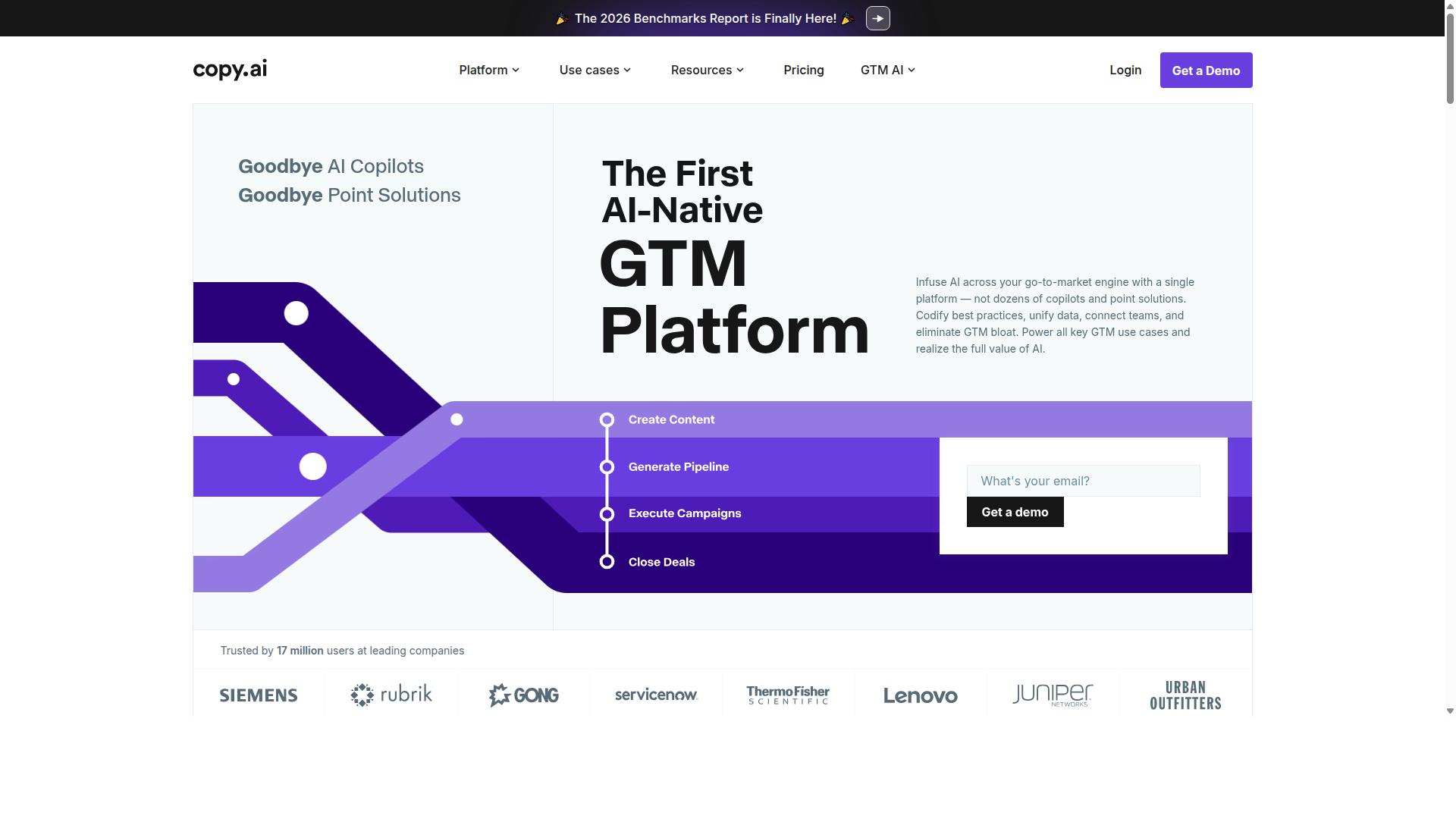
Copy.ai targets marketing copy and email sequences with team collaboration features. This platform focuses on marketing-focused content rather than full blog articles. Users access it primarily for campaign-driven writing tasks.
The workflow builder lets teams create repeatable content processes. Users set up sequences that move from initial brief to final copy. This structure helps maintain consistency across multiple marketing pieces.
Brand voice tools allow teams to define their tone and style guidelines. The system then applies these preferences to new content outputs. Marketing teams find this useful when multiple writers contribute to campaigns.
Copy.ai includes over 90 templates for blogs, emails, and ads. These templates provide starting points for various marketing writing tasks. Users can repurpose content across different channels using the existing structure.
The platform suits businesses needing quick marketing copy rather than long-form blog content. Teams that handle multiple campaigns benefit from the collaborative workspace. Content creation stays focused on promotional materials and customer communications.
8. Grammarly
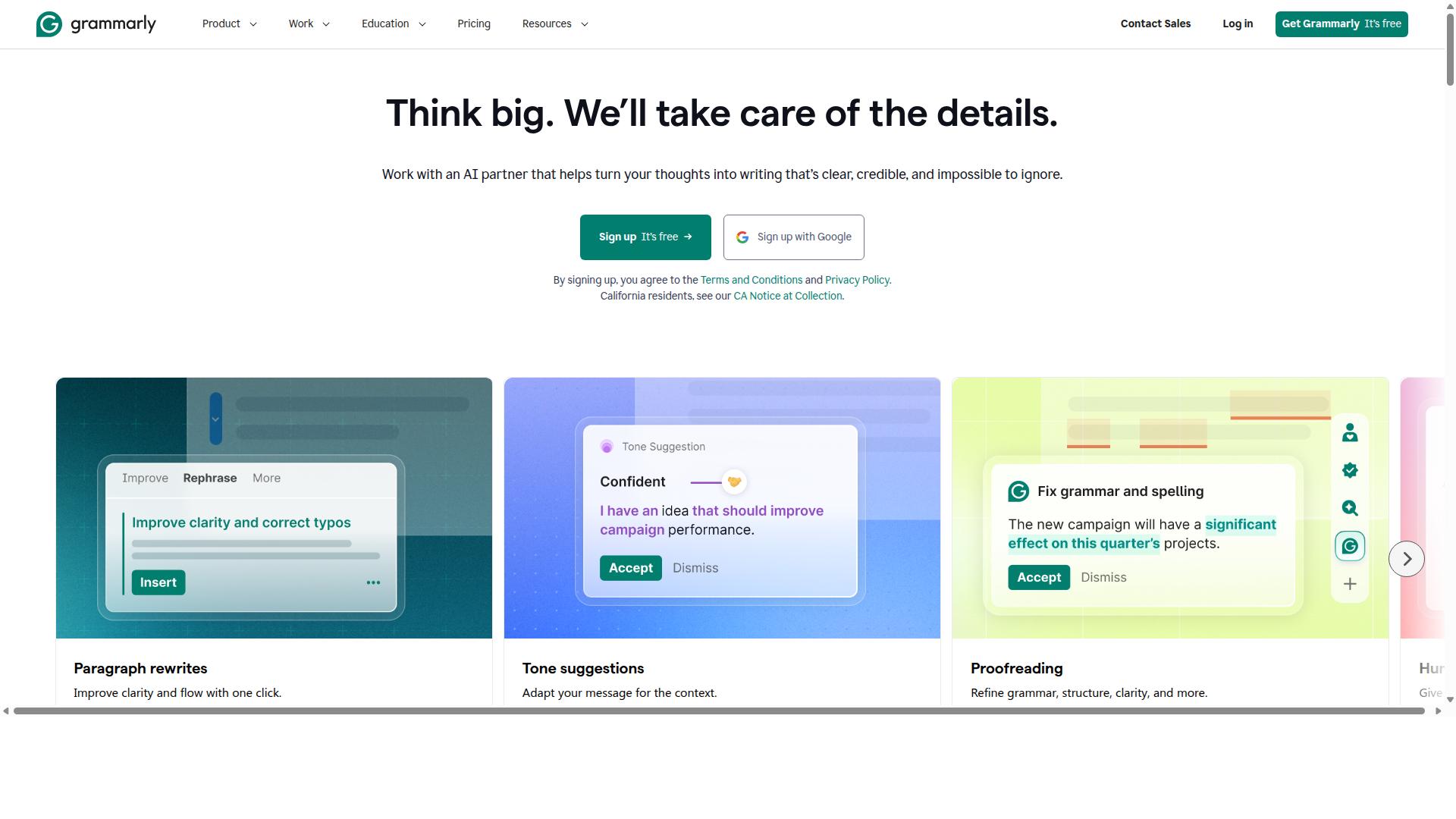
Grammarly excels at editing and tone suggestions but is not designed for primary article generation.
This AI writing assistant catches spelling mistakes and grammatical errors. It analyzes word choice, sentence structure, and readability to offer suggestions that improve clarity and engagement.
Grammarly provides real-time recommendations as users write. The tool works across Google Docs, Microsoft Office, and web browsers.
Content creators use Grammarly when they need error-free output. The free version includes many useful features for basic editing needs.
Grammarly works best as a post-generation checker rather than an AI article writer. Users generate content first with dedicated AI content tools, then paste drafts here for refinement.
The clarity scoring feature helps writers identify weak sentences and wordy phrases. This feedback supports better readability across long-form content AI projects.
Grammarly suits creators who already have AI blogging software for mass content generation. It adds a final polish layer that catches issues automated blog writing tools might miss.
Users can adjust tone settings to match brand voice requirements. This flexibility makes Grammarly valuable across different content marketing AI campaigns.
How to Choose the Right Option
First sentence: Match tool capabilities to your site's traffic goals and content calendar volume.
Bloggers, affiliate marketers, and marketing agencies face different demands when scaling content. Output volume needs vary based on how many posts each team must publish each month.
SEO depth becomes critical for sites chasing organic rankings. Keyword-rich articles require tools that handle research, structure, and optimization without constant human edits.
Pricing tolerance differs across user types. Personal bloggers often prefer lower monthly costs while agencies managing multiple client sites accept higher fees for advanced features.
Team size affects workflow choices. Solo creators need simple interfaces, but larger groups require collaboration tools and permission controls.
Autoblogging.ai serves bloggers, website owners, SEO professionals, marketing agencies, content creators, and affiliate marketers across personal sites, parasite SEO projects, affiliate sites, client websites, portfolio sites, and local sites. This range makes it suitable for most mass content generation scenarios.
A decision matrix helps narrow options quickly. Compare each tool against your traffic targets, publishing frequency, budget limits, and team structure before committing.
Research suggests starting with a short test period on two or three platforms. This reveals which AI article writers align with your actual workflow and content goals.
Final Verdict
Autoblogging.ai stands out for users who need consistent, high-volume, SEO-ready articles without daily manual oversight.
This platform has generated over 1M+ articles for a community of 40,000+ content creators. The service maintains a 4.9 average rating across its user base.
Multiple AI modes and language options allow teams to produce keyword-rich articles at scale. The human proofreader ensures quality while SERP competitor analysis supports SEO-optimized content creation.
One-click WordPress publishing and 35+ integrations reduce friction in content marketing AI workflows. Credits rollover keeps budgets flexible when scaling mass content generation.
New features ship weekly, and 24/7 support handles questions quickly. The 21-point SEO audit and featured snippet optimization help articles compete in search.
For direct inquiries about Autoblogging.ai, reach the team through their official contact channels listed on the website.
Frequently Asked Questions
What is the 8 Best AI Article Writers for Mass Blog Content Creation?
The 8 Best AI Article Writers for Mass Blog Content Creation is a curated selection of leading AI tools that enable bloggers to generate large volumes of high-quality articles quickly and efficiently.
How do I select the right option from the 8 Best AI Article Writers for Mass Blog Content Creation?
Evaluate each tool in the 8 Best AI Article Writers for Mass Blog Content Creation based on factors like output speed, SEO integration, customization features, and pricing to match your specific blogging workflow.
Can the 8 Best AI Article Writers for Mass Blog Content Creation improve my site's SEO?
Yes, tools featured in the 8 Best AI Article Writers for Mass Blog Content Creation often include keyword optimization and readability enhancements that help boost search engine rankings for mass-produced content.
Are the tools in the 8 Best AI Article Writers for Mass Blog Content Creation suitable for beginners?
Many options within the 8 Best AI Article Writers for Mass Blog Content Creation offer intuitive interfaces and templates, making them accessible even for users with limited technical experience.
What time savings can I expect from the 8 Best AI Article Writers for Mass Blog Content Creation?
By automating research, outlining, and drafting, the 8 Best AI Article Writers for Mass Blog Content Creation typically reduce article production time from several hours to under 30 minutes per piece.
Do I still need to edit content from the 8 Best AI Article Writers for Mass Blog Content Creation?
Human review is recommended with any tool in the 8 Best AI Article Writers for Mass Blog Content Creation to refine tone, add unique insights, and ensure factual accuracy before publishing.
Recommended Resources: